

Pipes are essential to your water and plumbing system but can be surprisingly fragile. Anything from overtightening a water line to dumping too much grease down your kitchen drain can cause you plumbing frustrations, even if it seems like the pipes should be able to handle it. Whether you’re a homeowner or a tenant, here are some of the most common culprits that can lead to early pipe replacement.
- Using plain bleach instead of a fixture-specific pipe cleaner. Chemical cleaners, like Drano, have bleach in much the same way other cleaners and soaps do. Bleach is part of the chemical makeup; however, it’s diluted and infused with other chemicals that can limit the damage it causes. On the other hand, pure bleach can react with any matter in your pipes, potentially releasing toxic fumes, creating even more corrosive compounds, and weakening your pipes. Be sure to clean your pipes with recommended products and, if you’ve been using bleach frequently to clean your pipes, have a professional plumber inspect them for corrosion and damage.
- Using your garbage disposal for everything. It can be tempting to treat your garbage disposal for all sorts of flushable garbage. While the machine itself can usually grind up whatever food waste you throw at it, the pipes or even the walls of the disposal may not be able to handle every piece of food waste. Oils and grease (especially from meat) and starchy water can gum up the pipes and build up over time, leading to further clogging.
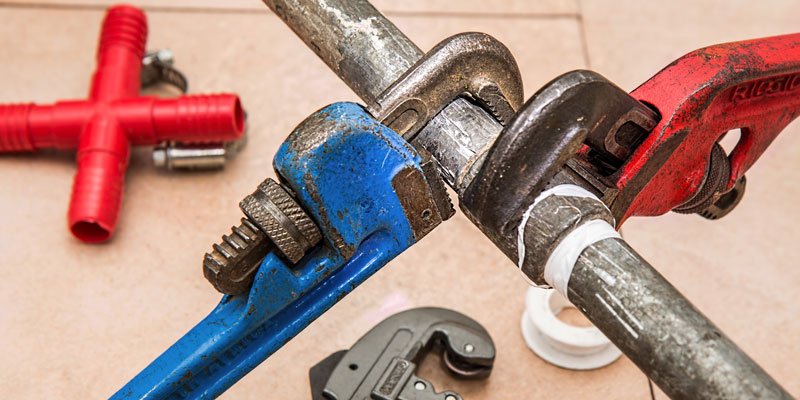
- Shifting waterlines. Newer pipes and waterlines, when they don’t have to stand up to a lot of pressure, are increasingly being made with flexible materials and crinkled bend points. However, if your appliances have older metal tubing, be careful when you move it aside for cleaning or to replace your water filter. They can pinch and crack with the smallest bit of torque, which can leave you in the middle of a plumbing emergency.
Be careful and cognizant of your plumbing uses to prolong the lifespan of your system and pipe components. For more plumbing tips and advice, contact us today.


