



Your shower is draining at the speed of continental drift. The kitchen sink is holding water hostage. So you do what most homeowners do—you grab the bottle of chemical drain cleaner from under the sink, pour it in, and wait.
It seems like the easiest fix: pour, wait, rinse, move on. And sometimes, it works. But if you’re reaching for that bottle every few weeks—or the drain keeps slowing down days after treatment—you’re probably treating the symptom rather than the actual problem.
Chemical drain cleaners have their place. The issue is knowing when to put the bottle down and call a plumber instead.
Key Takeaways
- Chemical drain cleaners don’t always fully remove a clog—they punch a temporary opening through it.
- Recurring clogs, multiple slow drains, and gurgling sounds are signs of a deeper issue.
- Never mix different drain-cleaning products.
- When DIY methods stop working, professional drain cleaning is the smarter (and safer) move.
How Do Chemical Drain Cleaners Actually Work?
Most chemical drain cleaners use highly reactive ingredients designed to break down organic material—hair, grease, soap scum, the usual suspects. They’re effective at dissolving some of what’s causing the backup.
But here’s the catch: they don’t always remove the blockage entirely. Think of it like punching a tiny tunnel through a traffic jam. The cars are still there. The cleaner creates an opening, water flows through, and everything seems fine—until the remaining buildup closes that opening again.
A drain that works for a few days and then clogs again? That’s not fixed. That’s a temporary truce.
When Should You Stop Using Chemical Drain Cleaners?
1. You’re Using Them Over and Over
If you’re buying drain cleaner every few weeks, that’s your drain trying to tell you something. Recurring clogs can point to buildup inside the pipe, a partial blockage deeper in the system, tree root intrusion, or even a damaged pipe. Chemical cleaner isn’t addressing any of those root causes.
If your drain needs a chemical intervention every other Tuesday, it’s probably time for a plumbing intervention.
2. The Clog Keeps Coming Back
There’s a big difference between a one-time slow drain and one that keeps returning after treatment. If the same drain repeatedly slows down, something is still restricting flow—and escalating to stronger products won’t fix that.
3. Multiple Drains Are Slow at Once
This one’s a red flag. If the kitchen sink, the shower, and the toilet are all acting up at the same time, the problem likely isn’t in one drain—it’s farther down the system. When the entire house starts complaining, it’s probably not a coincidence. Chemical cleaner poured into one fixture won’t solve a main line or sewer-line issue.
4. Your Drain Is Gurgling
Gurgling sounds are often a sign that air isn’t moving properly through the plumbing system. That can point to a partial blockage, a venting issue, or a sewer-line problem—none of which a bottle of drain cleaner will fix.
5. There’s Standing Water That Won’t Drain
A completely blocked drain isn’t a great candidate for repeated chemical treatments. The product may sit in the fixture rather than moving through the system, creating extra hazards if you or a plumber later try mechanical cleaning. And please—don’t blindly plunge a drain after using a chemical cleaner. Splash exposure is a real risk.
6. You’ve Already Used Multiple Products
Don’t play mad scientist under the sink. Mixing drain cleaners can create dangerous reactions and toxic fumes. If one product didn’t work, a stronger one probably won’t either. If you’ve already used a chemical cleaner and the drain is still clogged, stop adding anything else—and let your plumber know what you used before they start working.
Chemical Drain Cleaners Can Be Hard on Your Plumbing
Repeated exposure to highly corrosive chemicals can wear on plumbing components over time, especially in older systems that already have some corrosion or weak points. Chemical drain cleaners aren’t designed to diagnose what’s happening inside your pipes—they’re a surface-level solution to what might be a structural problem.
The Brian Wear Plumbing Choice
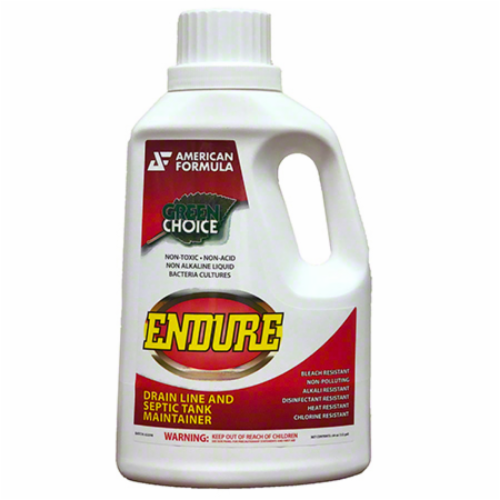
If you’re tired of reaching for chemical drain cleaners every time a drain starts slowing down, Endure offers a different approach. Instead of relying on harsh chemicals to attack a clog, Endure uses naturally occurring bacteria to consume fats, oils, grease, food particles, soap scum and other organic material that can build up inside your plumbing.
Regular treatments create a biological film throughout the plumbing system and are designed to help maintain free-flowing drains. That makes Endure more of a preventative maintenance solution than a quick fix — helping address the buildup that contributes to clogs in the first place rather than waiting until your sink is completely backed up.
When It’s Time to Call a Plumber
Put down the bottle if:
- The same drain keeps clogging after treatment
- Multiple drains are slow at the same time
- Water backs up into another fixture
- You hear gurgling sounds
- There’s a sewage smell in or around the house
- Your toilet bubbles when another fixture drains
- Standing water won’t go away
- You’ve already used a chemical cleaner and the problem remains
If your drain has become a recurring character in your life, it’s time to call someone.
The Best Drain Cleaner Is Prevention
The most effective way to avoid all of this is to stop clogs before they start:
- Use hair catchers in bathroom drains
- Keep food scraps out of the kitchen sink
- Never pour grease down the drain
- Address slow drains early, before they become full blockages
- Schedule routine plumbing maintenance when appropriate
The cycle of slow drain → chemical cleaner → temporary fix → clog returns → stronger chemical → bigger problem is one you can break.
The better path: slow drain → identify the cause → fix the actual problem → prevent it from happening again.
Don’t Let a $10 Bottle Become a $1,000 Problem
A slow drain is annoying. A slow drain that keeps coming back is trying to tell you something.
Chemical drain cleaners aren’t the villain here—they’re just not designed to solve every type of clog. The biggest warning sign isn’t using drain cleaner once. It’s needing it over and over again.
Brian Wear Plumbing helps homeowners throughout Mid-Missouri diagnose stubborn clogs, drainage problems, and sewer-line issues. If your drain keeps clogging, don’t just keep pouring something down it. Find out why.

Frequently Asked Questions
Q: Is it safe to use chemical drain cleaners occasionally?
A: Yes, for minor and infrequent clogs, chemical drain cleaners can be a reasonable short-term fix. The problem arises when they’re used repeatedly on the same drain, mixed with other products, or applied to clogs that require professional diagnosis and treatment.
Q: What should I do if a chemical drain cleaner didn’t work?
A: Stop adding more product. If the drain is still clogged after one treatment, adding a second—or a different brand—can create dangerous chemical reactions. Let a plumber know what product you used before they begin any work, and avoid plunging the drain to prevent chemical splash.
Q: How do I know if my slow drain is a sewer-line problem?
A: The clearest signs are multiple slow drains at the same time, water backing up into another fixture when you run water elsewhere, gurgling sounds in multiple drains or toilets, and sewage odors. These symptoms suggest the issue is past your individual drains and deeper in the system—which requires professional inspection, not chemical treatment.


