


Key Takeaways:
- Slow Drains: A minor annoyance now can turn into a frozen, clogged disaster in winter. Regular drain maintenance, like using Endure Drain Maintainer, can prevent buildup.
- Dripping Faucets: Even a small drip can waste water and lead to frozen pipes. Fix leaks now to avoid bigger problems later.
- Low Water Pressure: Mineral buildup, hidden leaks, or failing components could be the cause. Address it before it worsens.
- Noisy Pipes: Groaning, banging, or whistling pipes signal issues like water hammer or high pressure, which can damage your plumbing.
- Water Heater Woes: Sediment buildup reduces efficiency and can lead to failure. Flush your water heater annually or consider replacing older units.
Ah, fall. The season of crisp air, pumpkin-spiced everything, and that frantic last-minute scramble to get your house in order before the first frost hits. You’ve cleaned the gutters and checked the furnace, but what about the intricate network of pipes hiding in your walls? Ignoring your plumbing now is like daring winter to do its worst. A small issue today can become a full-blown, wallet-draining catastrophe when temperatures plummet.
Before your home turns into an unwanted indoor ice rink, let’s walk through the subtle (and not-so-subtle) clues your plumbing is sending you. Think of this as a pre-winter checkup to prevent a major plumbing panic.
1. The Slow Drain Saga
We’ve all been there. You’re washing dishes, and the sink starts resembling a small bathtub. Or your morning shower ends with you standing in an ankle-deep pool of murky water. A slow drain feels like a minor annoyance, but it’s your plumbing system’s way of waving a tiny red flag.
What’s really happening?
Over months, a lovely combination of hair, soap scum, grease, and food particles builds a stubborn blockage inside your pipes. When cold weather arrives, this greasy gunk can harden or even freeze, turning a slow drain into a complete standstill.
What you can do:
Along with tried-and-true home remedies, consider adding a regular drain maintenance routine. That’s where our Endure Drain Maintainer comes in. Endure is designed to break down and prevent the buildup of organic matter, grease, and other clog-forming debris before they cause trouble. Using it each month helps keep your pipes clear and water flowing freely, especially as temperatures drop. Simple, safe, and effective, Endure is a great way to stay ahead of seasonal plumbing problems. If your drain is already running slow or remains clogged after treatment, a professional drain cleaning may be the next step to make sure your pipes are in top shape for winter.
2. The Dreaded Drip-Drip-Drip
That constant drip… drip… drip from a faucet is more than just the soundtrack to a horror movie. It’s a sign of money and water literally going down the drain.
What’s really happening?
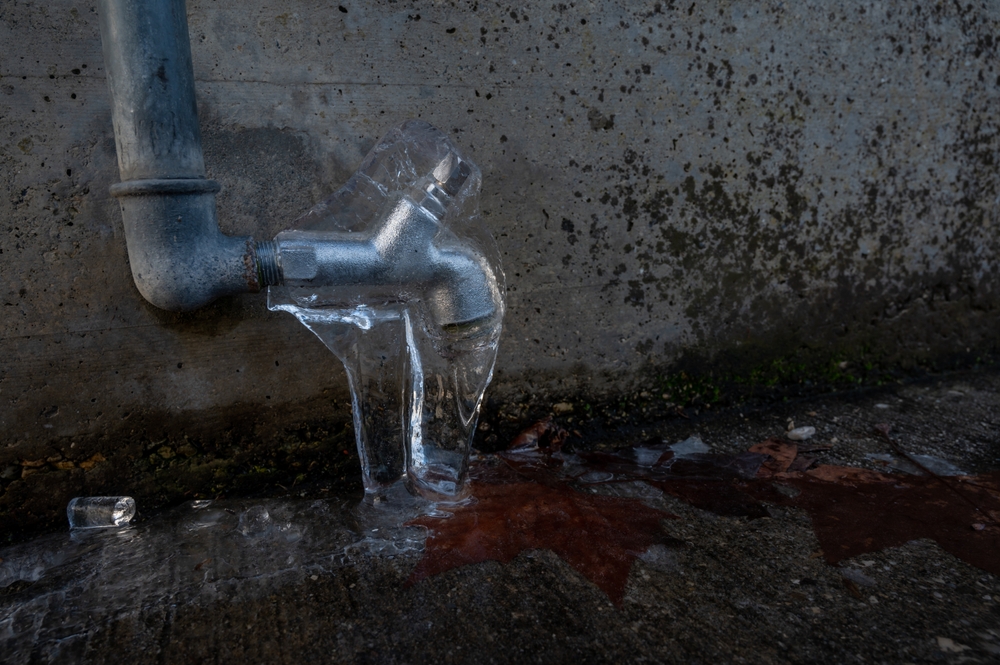
Most often, a drip is caused by a simple, worn-out washer or a corroded valve seat. While it seems small, a single dripping faucet can waste dozens of gallons of water per week. This is especially dangerous for outdoor spigots, where a small drip can freeze, expand, and crack the entire pipe.
What you can do:
If you feel handy, you can often replace the washer inside the faucet handle yourself. For outdoor faucets, it’s crucial to disconnect your hoses and ensure the spigot is fully turned off. If the dripping persists or you’re not comfortable taking a wrench to your fixtures, it’s a quick and easy job for a plumber to fix before it causes bigger problems.
3. The Case of the Wimpy Water Pressure
Does your once-powerful shower now feel more like a light mist? If you have to run circles just to get wet, you’re dealing with low water pressure.
What’s really happening?
This could be caused by a few things. The simplest culprit is mineral buildup (scale) on your faucet aerators and showerheads. More serious causes include a partially closed water meter valve, a failing pressure regulator, or a hidden leak somewhere in your system.
What you can do:
Start with the easy fix. Unscrew your faucet aerators and showerheads and soak them in vinegar overnight to dissolve mineral deposits. If that doesn’t restore the flow, check your main water shutoff valve to ensure it’s fully open. If the pressure is still weak, it’s time to call for backup. A hidden leak is not something you want to discover in the middle of January.
4. The Ghosts in the Pipes
Do your pipes groan, whistle, or bang loudly when you turn off a faucet? While it’s fun to pretend your house is haunted, these noises are your plumbing screaming for help.
What’s really happening?
A loud bang, often called “water hammer,” happens when the fast-moving water in your pipes slams to a stop, creating a shockwave. Whistling or screaming can indicate that a valve is wearing out or that your water pressure is too high.
What you can do:
Ignoring these sounds can lead to weakened pipe joints and eventual leaks. Sometimes, securing loose pipes can solve the problem. However, issues like water hammer or high pressure often require installing air chambers or a pressure regulator. This is a job best left to a professional to diagnose and fix correctly.
5. The Water Heater’s Cry for Help
There are few things more miserable than stepping into a shower on a frigid winter morning only to be hit with a blast of icy water. If your hot water is lukewarm or runs out quickly, your water heater is struggling.
What’s really happening?
Over time, sediment and mineral scale build up at the bottom of your water heater tank. This layer of gunk forces the unit to work harder to heat the water, reducing its efficiency and lifespan. In worst-case scenarios, it can cause the tank to corrode and fail completely.
What you can do:
Flushing your water heater once a year is the best way to remove this sediment and keep it running efficiently. If your unit is over 10-12 years old and showing signs of trouble, it might be more cost-effective to consider a replacement before it fails when you need it most.
Don’t Let Winter Win
Taking care of these plumbing red flags now can save you from the headache, mess, and expense of a mid-winter emergency. A little proactive maintenance goes a long way in ensuring your home stays warm, dry, and functioning smoothly all season long.
If you’ve noticed any of these signs or just want peace of mind, we’re here to help. The team at Brian Wear Plumbing has seen it all and can get your system in top shape for the cold months ahead.
Contact us today to schedule a plumbing checkup. An ounce of prevention is worth a pound of cure, especially when that cure involves thawing a burst pipe in freezing temperatures.

FAQ: Pre-Winter Plumbing Maintenance
Q: Why is a slow drain a problem in winter?
A: Grease, soap scum, and debris can harden or freeze in cold weather, turning a slow drain into a complete blockage.
Q: How do I fix a dripping faucet?
A: Replace the washer inside the faucet handle or call a plumber for a quick repair. For outdoor spigots, disconnect hoses and ensure the faucet is fully off.
Q: What causes low water pressure?
A: Common causes include mineral buildup in aerators, partially closed valves, failing pressure regulators, or hidden leaks.
Q: What is water hammer, and why is it bad?
A: Water hammer is a loud banging noise caused by water slamming to a stop in your pipes. It can weaken pipe joints and lead to leaks if not addressed.
Q: How do I maintain my water heater?
A: Flush the tank annually to remove sediment buildup. If your water heater is over 10–12 years old and struggling, consider replacing it before winter.


