

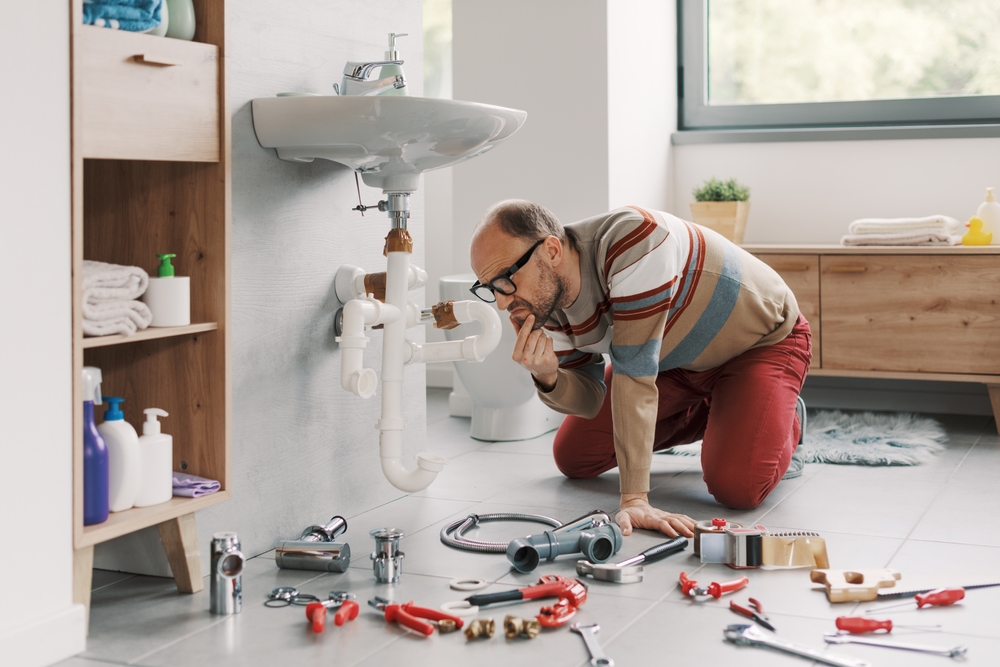
Your house makes plenty of noises—the HVAC kicking on, the floors creaking underfoot, the refrigerator doing whatever mysterious thing refrigerators do. Most of them fade into the background after a while. But when your pipes start banging, hissing, whistling, or talking back? That’s a little harder to ignore.
No, your house probably isn’t haunted. Your plumbing may just have something to say.
Some plumbing sounds are completely normal. Others are your pipes’ version of a dashboard warning light—something’s off, and it’s worth paying attention before a small noise turns into a big problem. Here’s a guide to the most common plumbing noises, what they typically mean, and when to call a plumber.
Key Takeaways
- Most plumbing noises point to an underlying issue—pressure, buildup, clogs, or loose components.
- Timing matters: when the noise happens tells you a lot about where to look.
- A single odd sound isn’t always cause for alarm. A pattern of them usually is.
- When in doubt, a professional can diagnose the problem before it gets expensive.
BANG! Your Pipes Have Entered the Chat
A loud bang when you shut off a faucet or an appliance stops running is usually water hammer. When water suddenly stops moving through the pipes, the momentum has to go somewhere—and the result sounds a lot like someone trapped inside your walls asking to be let out.
Loose pipes can also knock against framing or other surfaces when water flows through them.
A single little thunk isn’t necessarily a five-alarm emergency. Repeated pipe percussion? Worth investigating—especially if it’s getting louder, happening throughout the house, or showing up alongside leaks or pressure changes.
Why Is My Sink Whistling at Me?
A high-pitched whistle, squeal, or hum coming from a faucet usually comes down to one of a few things: a partially closed valve, mineral buildup, restricted water flow, worn fixture components, or high water pressure.
Pay attention to whether it’s one faucet making noise or multiple. A single whistling faucet could just need some attention. If your faucet sounds like it’s trying to get your attention—it probably is.
Gurgle, Gurgle… Uh-Oh
Gurgling from sinks, toilets, or drains typically means air and water aren’t moving through the plumbing system the way they should. Common culprits include a partial clog, a blocked plumbing vent, or a drain issue.
Your toilet shouldn’t be making conversation with your shower. If multiple drains start gurgling at the same time—say, the toilet gurgles when the washing machine drains—that’s a bigger red flag than an isolated sink noise. Recurring clogs, slow drains, sewage smells, or water backing up are all worth a call to a plumber.
Hissssss… Is That a Leak?
Unexplained hissing when nobody is using water deserves attention. It could mean water is moving through a restricted valve, a fixture is leaking, or there’s a hidden leak somewhere in the system.
Check toilets, faucets, appliances, and any visible pipes. Then check your water bill. A dripping faucet is annoying. A leak hiding behind your wall is an expensive game of hide-and-seek—and the wall usually wins.
Rattle, Rattle… Why Are My Pipes Shaking?
Rattling or vibrating pipes when water turns on or off are often caused by loose pipes, water hammer, high water pressure, or pipes expanding and contracting with temperature changes. If you can hear the pipe but can’t figure out where the movement is coming from, that’s a good reason to have a professional take a look rather than opening walls yourself.
Is My Water Heater Making Popcorn?
If your water heater sounds like it’s making popcorn, unfortunately, movie night isn’t on the schedule. That popping, crackling, or rumbling noise usually means sediment has built up at the bottom of the tank, causing water to become trapped and superheated beneath it.
Left alone, sediment buildup reduces efficiency, raises energy costs, and shortens your water heater’s lifespan. For a deeper dive, check out our related article: Why Is Your Water Heater Making a Popping Noise?
Tick, Tick, Tick… Is Your Plumbing Keeping Time?
Clicking or ticking after using hot water is often completely normal. Hot water causes pipes to expand; cooling pipes contract. When pipes move against framing or other materials, they can tick. Your pipes may have better timekeeping skills than your phone.
That said, if the ticking is new, unusually loud, or happening alongside other plumbing issues, it’s worth mentioning to a plumber.
The Most Important Clue? When the Noise Happens
This is the most useful diagnostic question you can ask.
- When you turn on a faucet → Could be a water pressure, valve, or fixture issue.
- When you turn off a faucet → Think water hammer or loose pipes.
- When the toilet flushes → Could involve the toilet, drain, or plumbing vent.
- When the washing machine drains → Gurgling elsewhere may signal a drainage or venting issue.
- When nobody is using water → A leak or pressure-related issue deserves attention.
- When the water heater is running → Popping or rumbling can point to sediment buildup.
When Should You Stop Listening and Call a Plumber?
Not every plumbing noise calls for an emergency visit. But some combinations of symptoms shouldn’t be ignored.
Call a plumber if the noise comes with:
- A visible leak or water stains on walls or ceilings
- Sewage smells
- Slow or recurring drains
- Water backing up
- Low or fluctuating water pressure
- An unexplained spike in your water bill
- Multiple fixtures making unusual noises
- A noise that keeps getting louder
If your plumbing has gone from “huh, that’s weird” to “what in the world is happening?”—it’s probably time to call someone.
Don’t Wait for Your Pipes to Get Louder
Strange plumbing sounds are usually symptoms, not the problem itself. A little noise today could become a leak, a clogged drain, a sewer backup, water damage, or a damaged water heater down the road. Catching issues early saves money and headaches.
The goal isn’t to panic every time a pipe makes a sound. It’s to pay attention when something changes.
Your house is going to make some noise—that’s normal. But if your plumbing suddenly sounds like it’s auditioning for a horror movie, don’t ignore it.
If you’re hearing a strange plumbing noise you can’t explain, Brian Wear Plumbing can help identify what’s causing it and determine whether it needs repair.

Frequently Asked Questions
Q: Is it normal for pipes to make noise?
A: Some pipe noise is completely normal—ticking when hot water runs, a slight hum from water pressure, or an occasional knock. What’s worth paying attention to is noise that’s new, getting louder, happening frequently, or appearing alongside other symptoms like slow drains or water stains.
Q: What causes banging pipes, and can I fix it myself?
A: Banging pipes are most often caused by water hammer or loose pipes. In some cases, adding pipe straps or adjusting water pressure can help. However, if the banging is frequent, severe, or happening throughout the house, it’s best to have a plumber assess the situation rather than attempting DIY repairs that could mask a bigger issue.
Q: When is a plumbing noise a plumbing emergency?
A: A noise alone is rarely a plumbing emergency—but it can signal one. If the noise comes with a visible leak, sewage smells, water backing up into fixtures, or a sudden drop in water pressure, treat it as urgent and call a plumber right away.


