

Some of the most common bathroom plumbing issues can be easily fixed. However, not taking the steps to correct and prevent these problems could lead to much bigger issues and expensive repairs down the line.
1. Running Toilet
You hear the sound of running water coming from your toilet constantly. The flush seems weaker. You can see the constantly running water in the bowl. What’s happening?
More often than not, you’ve got a problem with the flapper valve in the water tank on the back of the toilet. This may not seem like much of a problem, but it can easily drive your water bill sky high. Fortunately, it’s a pretty easy problem to fix.
The best way to prevent this problem is to periodically peek in the water tank, look at the flapper and fill valves, and flush the toilet. If either valve looks to be old or worn, it’s best to have them replaced.
2. Leaky Faucet
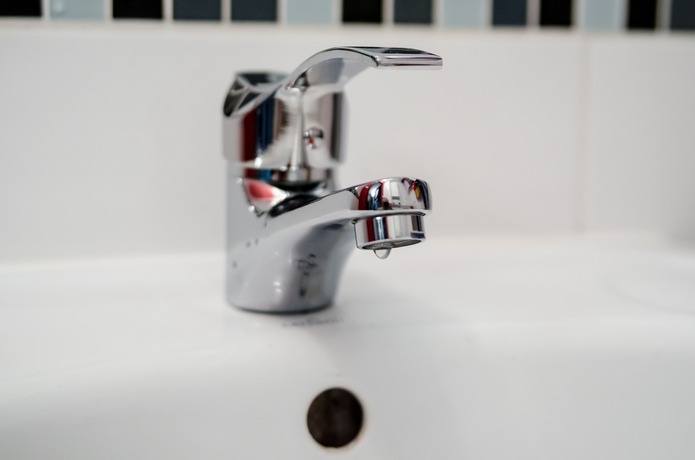
A leaky faucet can be caused by many things such as worn out seals, corrosion, buildup, or loose parts. Much like a running toilet, a leaking faucet can drive up your water bill. It can also cause water damage, so you’ll want to take care of the problem as quickly as possible.
Fortunately, it’s not difficult to fix a faucet. You’ll need to take the faucet apart to figure out exactly what the cause of the leak is and then you can clean the buildup or replace the old or corroded parts. Don’t forget to turn off your water supply before doing any of this!
3. Water Pressure Problems
Low water pressure is frustrating, especially since you often don’t discover there’s a problem until you’re trying to take a shower. Sometimes you’re lucky and the problem is as simple as the water main valve being partially closed or the pressure regulator (if your home has one) malfunctioning. Other times you may have corroded pipes or a leak somewhere. Check your water meter to make sure the water main valve is wide open. If it is, and you still have low water pressure, it’s best to contact a professional as soon as possible. If the problem is a leak or corroded plumbing, there might already be serious damage.
For more information on common bathroom problems and solutions, or for any of your plumbing needs, contact us at Brian Wear Plumbing today!


