

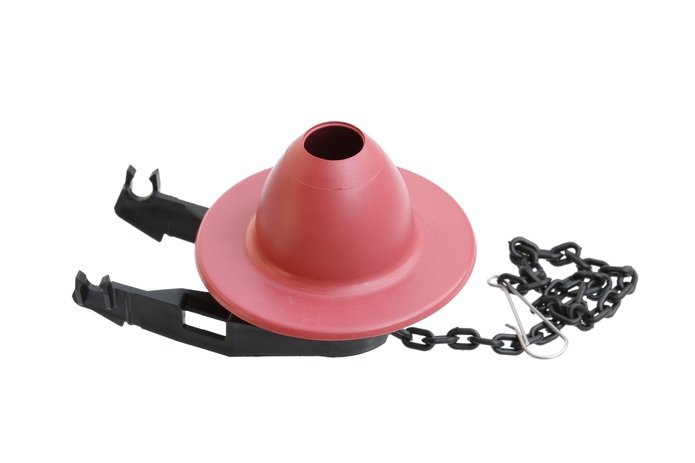
Attached to the handle by a chain, the toilet flapper is the rubber piece that lifts when the toilet is flushed, allowing water to flow into the bowl. If you hear the water continuously running in your toilet tank or if it seems to take too long to fill, most likely you need the flapper, or the flush valve seal replaced. If the toilet occasionally flushes on its own, that too, can be a result of a worn-out flapper.
The Importance of Proper Function and What Causes a Malfunction
Having a properly functioning toilet and toilet flapper is important for every household. A worn-out toilet flapper can cause quite a few problems. Without enough water pressure behind the flapper, the toilet will not flush properly. If it runs continually, not only will this cause a decrease in pressure, but you will also be wasting water like a leaky faucet, increasing your water bill.
Flappers can begin to fail from age, through mildew or mold, or through the growth of bacteria. These factors can cause the flapper to crack or to no longer fit perfectly around the flush valve. Some drop-in bowl cleaners are also hard on the rubber component of a flapper. As the flapper deteriorates it allows leakage. Although it is not something many of us think of as needing replacement on a routine basis, in general, a toilet flapper should be replaced every three to five years.
How Difficult is it to Replace a Toilet Flapper?
Experienced do-it-yourselfers can probably replace a flapper itself. Make sure you obtain the correct size. Most toilet flappers are usually between two and three inches. Newer toilets, those manufactured in the past decade or so, often utilize the larger flapper.
If you hear unusual running water, don’t wait for larger issues to materialize. If you are not comfortable trying such a repair yourself or have replaced the flapper but there still seems to be lingering issues, contact a professional.
At Brian Wear Plumbing, we service residential and commercial customers in the Columbia, Missouri area and have been working with satisfied customers for more than a decade. For more information, or for help with any of your plumbing needs, contact us today!


