

One of the most common plumbing problems is running water when it shouldn’t be running. You might have a persistent drip coming from a shower head or your toilet may overflow. Even for emergencies like a snapped water line in your refrigerator or a flooding appliance, when you need to call in an expert to fix the underlying cause, tending to the excessive running water is the priority. Homeowners may panic in the heat of the moment, but read on and remember to keep calm, so you know how to stop running water until further professional help arrives.
How can you make water stop running in the middle of an emergency?
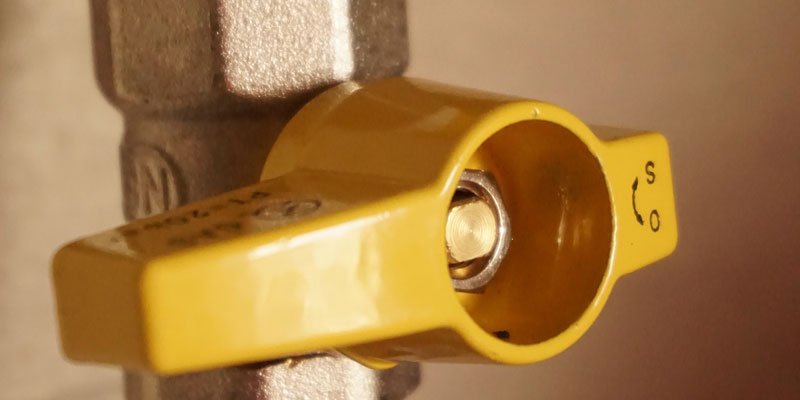
Most sinks, plumbing fixtures, and major appliances have localized water shut-off valves. Usually, these are handles fixed to the wall by an inflexible pipe. This controls the water flowing from the main pipe connection to this single point and appliance/fixture. If you have a dripping sink, a leaking appliance, or a busted pipe between the valve and the endpoint, then turning this valve shuts off the water. It kind of isolates and quarantines the water at the end appliance/fixture. Even better, since the shut-off is localized, the rest of your house still has access to water supply.
If the leak point is before the valve or deeper in the wall, these localized valves won’t shut off the water. For these leaks, you need access to the main shut-off valve, which is either in your basement or in the wall closest to your city water connection outside. Search through your home now to identify this main valve, so you know where to directly go in an emergency. If you can’t find that valve, you may be able to shut off water to both the interior and exterior of your house through the valve by an outside water meter.
It’s important that everyone in your house knows precisely where these valves are and how to turn them off and on safely. These valves should also be cleaned and inspected to prevent build-up of calcium and lime, so they function properly. For more tips, details on damage to your water valves or house from water, and for further plumbing emergencies, contact us today.


