


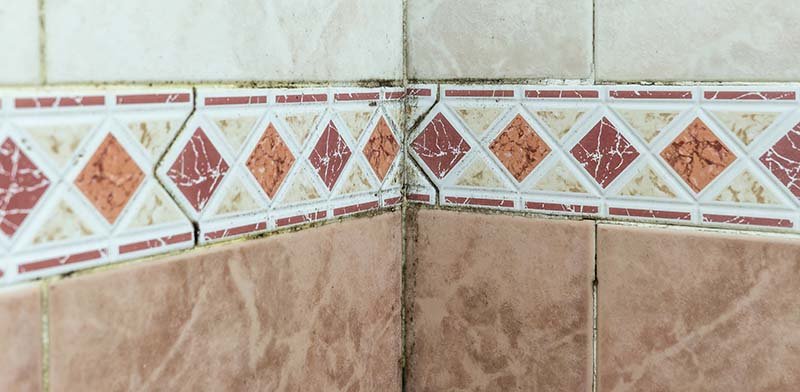
In some circumstances, after a major water leak for example, homeowners know they must stay on the lookout for mold and mildew. Other times the growth of mold or mildew is more insidious, and homeowners don’t realize they have a big problem until there is major damage to some component of their home. The best way to combat mold and mildew is to prevent it from occurring in the first place.
Certain areas of the home are hot spots for mold and mildew growth. Bathrooms, basements, laundry areas and kitchens — essentially anywhere a family consistently uses water has the potential for mold growth. One of the best ways to stay in control is to buy an inexpensive humidity gauge and set them in areas prone to moisture. Most home improvement stores carry humidity gauges and they are found online as well. Normal humidity levels are around 50%, but consistent humidity levels higher than 60% will encourage the growth of mold or mildew.
If your gauges show you there are areas in your home with consistently high humidity, there are several things you can do. If you don’t already have one, install a ventilation fan and if your current one is inadequate, upgrade to a more powerful one. During a shower or a full day of laundry, consider running a portable fan as well, to ensure good air circulation in all the nooks and crannies of the room. If your bathroom is directly connected to your bedroom, close the door of the bathroom before showering. If you don’t, there is a good chance your bedroom flooring, bedding and the like will become susceptible to the moisture and humidity that spills from your bathroom.
Of course, consistent cleaning is important as well. Bleach cleaner used on sinks and tubs will kill mold. In addition, leave your washer lid open after washing clothes to allow the washer tub to dry out. For basement and high-use laundry areas, run a dehumidifier unit to remove moisture from the air. Lastly, if possible leave a nearby window open just a crack during times of internal high humidity to increase air circulation. The only caveat is if the humidity outside your home is even higher. In that case, it is better to leave windows closed.
Want to know more about mold and mildew prevention? Contact us.


