



Refrigerators are a huge energy sink. They’re plugged in 24/7, people regularly open them to look inside, and anytime you pack away freshly cooked leftovers the fridge has to bring the temperature down. It seems like there’s no possible way to make a fridge more energy efficient short of buying a new model, but there a few tricks you can use to bring down the electricity use, as well as your energy bill. Here’s how:
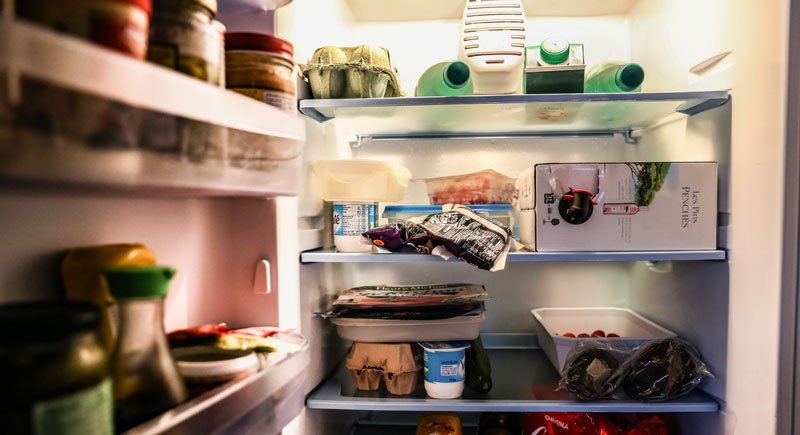
- Keep your fridge full without overfilling it. That’s a delicate balance, but keeping a mostly full fridge helps you conserve energy. The instant someone opens a fridge door to look inside, a blast of cold air leaves the fridge, and the coolant system has to work harder to re-cool the new air once you’re done. But a fridge full of solids and liquids has less cooled air that can easily escape. On the other hand, an overfilled fridge means the cooling air won’t be able to reach everything efficiently. Whenever you’re stocking your fridge, make sure to distribute the food evenly and, if you have large empty spots, add in water bottles or containers full of water.
- Check your gasket and condenser coil. Make sure your fridge is working properly by occasionally checking to make sure the gasket, or door seals, are in place. Sometimes they can fall loose from their pockets or get torn, and that will let air continuously leak out. You’ll also want to check the condenser coils about every six months to make sure they’re clean of pet hair or dust, so they can cool your fridge efficiently.
Refrigerators almost always have to be working, so the best things you can do to reduce their energy use is to make sure the cool air stays inside. The less often a fridge has to cool new, room temperature or warm air, the less work it has to do. To learn more energy-saving tips and see how we can help with your appliances at home, contact us today!


