



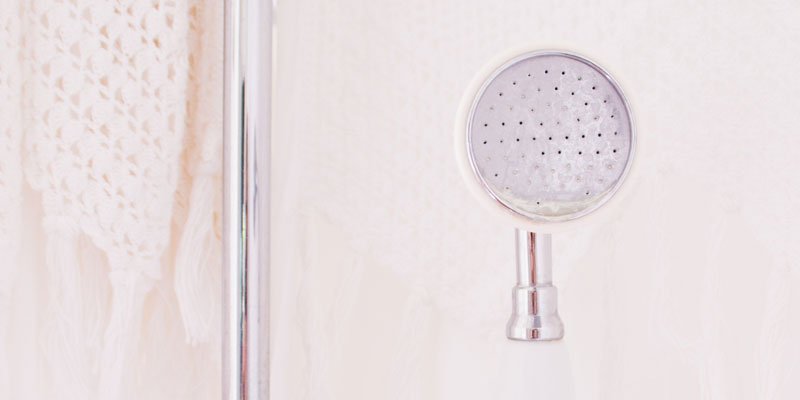
Homes use up a lot of water, even if you use it efficiently and have habits that limit wasted water. A lot of inefficiency results from the devices we use around the home, such as faucets, sprinklers, and shower heads. If you’re looking for a quick and easy way to reduce water usage without having to drastically change your habits or schedule, switch out your shower head for a water-efficient model, especially if your house is older with an older plumbing system.
How to Switch Out Your Shower Head
Plumbing can be difficult, and fully replacing your shower head can be troublesome, because the smallest tug in the wrong direction can crack the piping behind the wall and do more damage than expected. That’s why many new water-efficient heads just screw onto preexisting arms for an easy change. But if your shower isn’t compatible with your chosen replacement, you can always consult a professional plumber to properly and safely install it without causing further damage. However, here’s how to quickly and safely change out the whole apparatus if you plan to do it yourself:
- Unscrew the current shower head. It should detach easily, especially if you apply a bit of limescale-removing soap first.
- Remove the faceplate and shower arm. Most showers have a circular faceplate around the pipe going into the wall. Because it’s usually just caulked or adhered on, you can pry it loose by working a chisel around the edge of it. Then use a wrench to remove the arm. This part connects to the interior plumbing, so be sure to place the wrench head as close to the base against the wall as you can, and slowly apply pressure instead of jerking the arm free.
- Twist the longer end of the new shower arm into the wall. Make sure you choose a universal shower arm that allows for the widest range of shower heads to connect to the short end. Then, if your shower had a faceplate, put it back into position before adding the new shower head.
- Install the new shower head. Add Teflon tape or string around the threads at the short end of the shower arm, so the shower head will fit snugly into place without leaking. Then, all you need to do is screw it on clockwise into position by hand.
Improving your home’s water efficiency is a great way to save on your monthly water bill. Replacing your shower head also lowers your energy bill because you’ll use less hot water in the long run. Contact us for more water conservation plumbing projects, ways to save resources and money, or for professional plumbing help today.


