

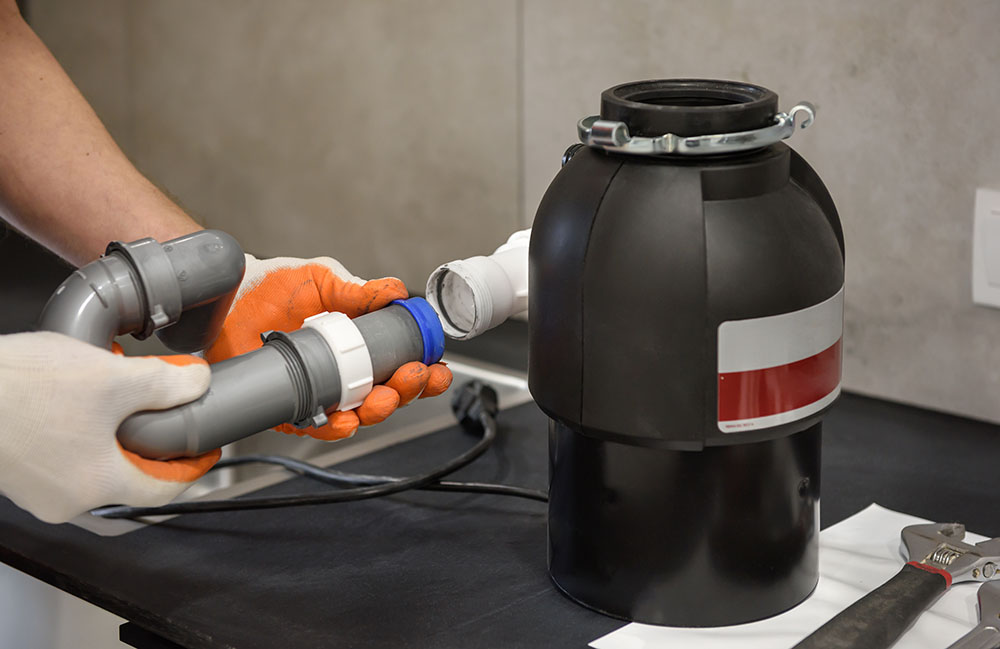
Being the handy kitchen appliance that it is, many homeowners think that their garbage disposal can handle anything they throw at it. But it’s best we don’t forget that garbage disposals are not indestructible and have their limitations. There are certain habits that we may have unknowingly developed over time that can cause damage to the unit, leading to costly repairs or replacements. As the trusted local plumber in Columbia, MO, Brian Wear Plumbing shares some things you should avoid doing to keep your garbage disposal in good shape.
Putting the Wrong Items Down the Disposal
While it’s tempting to toss all kinds of food waste into your garbage disposal, not everything can be processed by the blades and motor. Items like fibrous vegetables (celery, corn husks, and potato peels), coffee grounds, bones, and eggshells can cause clogs or dull the blades over time.
To prevent unnecessary plumbing repairs, stick to soft, biodegradable food scraps like fruit peels or small pieces of cooked vegetables. Always consult your disposal’s manual to know what it can and cannot handle.
Not Running Enough Water
Water is essential for flushing down the waste and helping the disposal operate smoothly. Without enough water, food particles can get stuck in the system, leading to clogs and foul odors. Make sure to run cold water before, during, and after using the disposal to clear out any leftover food debris.
Why cold water, you ask? Cold water is ideal because it helps solidify any fats or oils, making them easier to chop up. As an experienced provider of plumbing services, we recommend running water for at least 30 seconds after the disposal stops grinding to make sure all food particles have been washed away.
Overloading the Disposal
It’s easy to get carried away when trying to clean up a sink full of dishes and scraps, but overloading your disposal is never a good idea. Putting too much food waste in the unit at once can cause it to jam or break down. To avoid this, feed small amounts of food into the disposal gradually while running cold water. This will allow your disposal enough time to process each batch of waste efficiently.
Using the Disposal as a Trash Can
Just because it’s called a garbage disposal doesn’t mean you can use it as a replacement for your trash bin. Non-food items, such as plastic, metal, glass, and paper, can seriously damage the disposal’s blades and motor. Even smaller items like twist ties or bottle caps can get stuck and cause problems. Here’s an easy-to-remember tip: If an item is not food waste, never let it end up in your garbage disposal unit. (Not even all food waste belongs there, so what makes you think non-food items will fare any better?) Always double-check before turning on the device to make sure only appropriate waste is being processed.
Not Performing Regular Maintenance
Since it’s something you rely on daily, it’s essential to show your garbage disposal some TLC once in a while. Just like any other appliance, garbage disposals require regular upkeep to keep them functioning properly and prolong their lifespan. Neglecting routine maintenance tasks such as cleaning and sharpening the blades, checking for leaks or cracks, or replacing worn-out parts can lead to bigger and more expensive problems down the road.
Make it a habit to clean your disposal at least once a month by grinding up some ice cubes, citrus peels, or baking soda and vinegar. This will help remove any buildup or odors and keep your disposal running smoothly. Of course, you can also enlist the help of our plumbing company to perform a more thorough inspection. While the mentioned maintenance tasks can help prevent damage, it’s always best to have a professional take a look every now and then.
Reach Out to Our Certified Team for All Your Plumbing Needs
Brian Wear Plumbing is a local company dedicated to providing reliable and efficient plumbing solutions to the residents of Columbia, MO, and the surrounding areas. From routine maintenance to emergency plumbing repairs, we have you covered. Our team constantly strives to keep up with the latest industry trends and best practices, all to ensure that our customers receive the best service possible. Contact us today to schedule an appointment or fill out our online form.


