



Key Takeaways:
- The Real Danger: Frozen pipes don’t just block water flow—they can burst, causing catastrophic water damage to your home.
- How It Happens: Ice expansion and pressure buildup lead to pipe failure, often at weak points far from the frozen section.
- The Domino Effect: A burst pipe can cause immediate water damage, mold growth, and even compromise your home’s structural integrity.
- Prevention is Key: Simple steps like insulating pipes, sealing air leaks, and keeping your home heated can prevent frozen pipes and save you thousands in repairs.
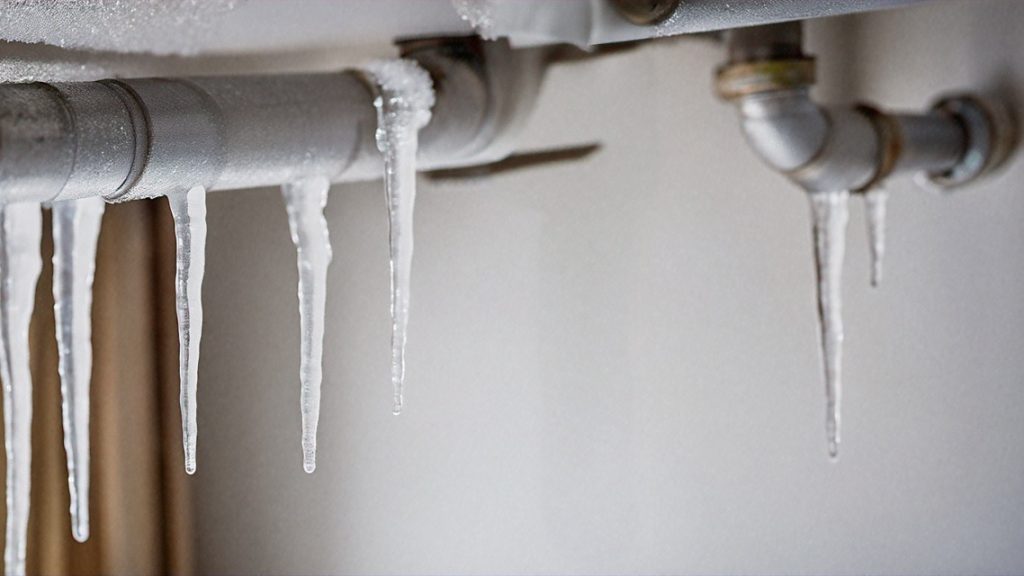
A frozen pipe might sound like a simple winter inconvenience. You turn on the faucet and nothing comes out. Annoying, sure, but it will just thaw out eventually, right? Unfortunately, this seemingly minor issue is a ticking time bomb hiding in your walls. The real danger isn’t the initial blockage. It’s the immense pressure that builds up behind it, turning a simple frozen pipe into a burst one. This can unleash hundreds of gallons of water into your home, transforming a small problem into a full-scale restoration project.
Understanding how a frozen pipe becomes a catastrophe is the first step to preventing it. It’s not just about losing access to water. It’s about protecting your home from the destructive power of a sudden, uncontrolled flood. Let’s look at how this happens and what you can do to keep your home safe this winter.
The Science of a Burst Pipe
Many people think a pipe bursts because the ice itself expands and splits the metal or plastic. While water does expand when it freezes, that’s not the direct cause of the break. The actual rupture happens because of water pressure.
Here’s the chain reaction. As water starts to freeze inside a pipe, it expands and can cause the water line or nearby fittings to fail due to this expansion pressure. The expanding ice doesn’t increase pressure in the line itself, but rather pushes against the pipe walls and connections, causing them to burst or crack. The pipe typically fails at its weakest point, which might be far from the actual ice blockage. When the ice finally thaws, the normal pressure from your home’s main supply line is then able to escape through these compromised sections, sending water rushing into walls, ceilings, or floor cavities and leading to significant damage. Additional burst sections may exist elsewhere in the property that aren’t immediately evident, as different pipe sections may thaw at different rates or a thawing section may apply pressure to other damaged pipes further along the system.
From Drip to Deluge: The Domino Effect of Damage
A single burst pipe can release a shocking amount of water in a short time. This initial flood is just the beginning of a costly and stressful chain of events.
Immediate Water Damage
The most obvious consequence is widespread water damage. Water soaks everything it touches, including drywall, insulation, flooring, and personal belongings. Drywall will sag and crumble. Hardwood floors will warp and buckle. Carpets become saturated, and the wooden subfloor beneath can begin to rot. Furniture, electronics, and priceless family keepsakes can be ruined in an instant.
The Hidden Threat of Mold
Where there’s water, there will soon be mold. In the damp, dark cavities of your walls and floors, mold can begin to grow in as little as 24 to 48 hours. Not only is mold destructive to your home’s structure, but it also poses a serious health risk. Mold spores can cause respiratory problems, allergic reactions, and other health issues, especially for children and people with compromised immune systems. Professional mold remediation is a complex and expensive process that often isn’t fully covered by insurance.
Compromised Structural Integrity
Over time, prolonged exposure to moisture can weaken the structural components of your home. Wooden joists, studs, and subfloors can rot and lose their strength, making your home unsafe. What started as a simple pipe issue can lead to major structural repairs, costing tens of thousands of dollars.
Prevention: Your Best Defense Against Frozen Pipes
The good news is that preventing frozen pipes is far easier and cheaper than dealing with the aftermath. A few proactive steps can save you a world of trouble.
1. Insulate Exposed Pipes
Any unheated area of your home is a danger zone. This includes basements, crawl spaces, attics, garages, and even cabinets against an exterior wall. Identify pipes in these areas and insulate them. You can use affordable pipe sleeves made of foam or fiberglass from any hardware store. It’s a simple, quick job that offers a huge return on investment.
2. Seal Air Leaks
Cold air flowing over a pipe is a recipe for a freeze. Check for and seal any cracks or holes in your foundation, walls, and around window frames near your plumbing. Even a small draft can be enough to freeze a pipe on a frigid night. Don’t forget to seal gaps around the pipes themselves where they enter your home.
3. Keep the Heat On
It might be tempting to turn the thermostat way down when you leave for a holiday vacation, but this can be a costly mistake. Keep your home heated to at least 55 degrees Fahrenheit at all times. The cost of a slightly higher heating bill is nothing compared to the cost of a major water damage restoration. Open cabinet doors under sinks to allow warm air from the room to circulate around the pipes.
4. Let Faucets Drip
On nights when the temperature is expected to drop significantly, let a few faucets connected to vulnerable pipes drip slowly. A constant, slow drip of cold water is all it takes to relieve pressure and prevent the water from freezing solid in the pipe.
5. Disconnect Outdoor Hoses
Before the first freeze, disconnect, drain, and store all your garden hoses. Then, shut off the water to your outdoor spigots using the interior shutoff valve and drain the line. A hose left connected can trap water in the spigot, which will freeze, expand, and crack the pipe.
What to Do If You Suspect a Frozen Pipe
If you turn on a faucet and only a trickle or no water comes out, you likely have a frozen pipe.
- Keep the Faucet Open: Leaving the faucet open will allow water to flow as the pipe thaws, helping to melt the ice and relieve pressure.
- Gently Warm the Pipe: You can try to thaw the frozen section yourself if it is exposed. Use a hairdryer on a low setting, an electric heating pad, or towels soaked in hot water. Start near the faucet and work your way back toward the frozen section. Never use an open flame like a blowtorch.
- Call a Plumber: If you can’t find the frozen section or can’t thaw it yourself, it’s time to call a professional.
If a pipe has already burst, your first step is to shut off the main water supply to your home immediately to stop the flooding. Then, call for emergency plumbing services.
Don’t Wait for a Disaster
Frozen pipe damage is a serious threat, but it is also highly preventable. Taking steps to protect your plumbing now can save you from the stress and expense of a major restoration job down the road.
If you need help winterizing your plumbing or are facing a frozen pipe emergency, the team at Brian Wear Plumbing is ready to help. We have the expertise to prevent disasters before they happen and the tools to respond quickly when they do.
Contact us today for a professional inspection or for immediate assistance with frozen or burst pipes. Your home’s safety is our top priority.

FAQ: Frozen Pipe Prevention and Response
Q: Why do frozen pipes burst?
A: Pipes burst due to pressure buildup behind the ice blockage, not because the ice itself splits the pipe. This pressure forces water through weak points, causing cracks or ruptures.
Q: How can I prevent frozen pipes?
A: Insulate exposed pipes, seal air leaks, keep your home heated to at least 55°F, let faucets drip during extreme cold, and disconnect outdoor hoses before freezing temperatures hit.
Q: What should I do if I suspect a frozen pipe?
A: Keep the faucet open, gently warm the pipe with a hairdryer or heating pad, and call a plumber if you can’t locate or thaw the frozen section.
Q: What are the signs of a burst pipe?
A: Look for water pooling, reduced water pressure, or unusual noises in your plumbing. If a pipe bursts, shut off your home’s main water supply immediately.
Q: How can I protect outdoor plumbing?
A: Disconnect and drain garden hoses, shut off water to outdoor spigots, and drain the line to prevent trapped water from freezing and cracking the pipe.
Q: Why is mold a concern after a burst pipe?
A: Mold can grow in damp, dark areas within 24–48 hours, leading to structural damage and health risks. Professional remediation is often required to address the issue.


