

Key Takeaways:
- Columbia’s Hard Water Problem: While safe to drink, Columbia’s mineral-rich water wreaks havoc on appliances, plumbing, and cleaning routines.
- Hidden Costs: Hard water shortens the lifespan of water heaters, dishwashers, and washing machines, clogs pipes, and increases energy bills.
- The Solution: A water softener removes or conditions minerals, protecting your home and making life easier.
- Professional Installation: Proper sizing and setup by experts ensure your water softener works efficiently and lasts longer.
Living in Columbia, Missouri, means enjoying Tiger football, navigating constant construction zones, and dealing with some of the hardest water you’ll find anywhere in the United States. If you’ve noticed white, crusty buildup on your faucets, or if your water heater seems to be staging an early retirement, you’re not alone. Columbia’s mineral-rich water is a challenge many homeowners face. While the city’s water meets safety standards, it’s a slow saboteur of appliances, plumbing, and your wallet.
This guide will highlight how Columbia’s hard water affects your home and provide practical solutions to protect your appliances, plumbing, and peace of mind.
Columbia’s Water Problem: Safe to Drink, Tough on Everything Else
Columbia’s water is full of minerals like calcium and magnesium. Though safe to drink, these dissolved minerals wreak havoc on anything water touches in your home. Whether it’s visible limescale on your fixtures or hidden damage inside your appliances and pipes, hard water is a persistent issue.
The Evidence Beneath the Surface
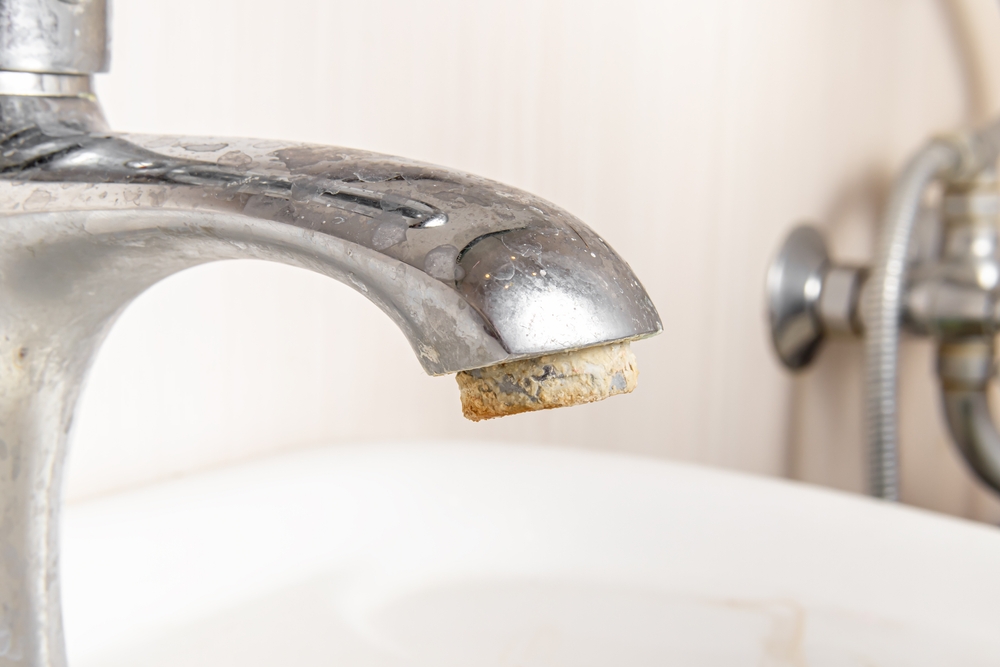
That chalky, white buildup on faucets and showerheads? It’s the same thing happening inside your plumbing. Over time, the mineral deposits clog pipes, reduce water pressure, and affect the efficiency of your appliances. It’s not just cosmetic; it’s expensive.
Here’s a closer look at what Columbia’s hard water is doing to your home:
The Hidden Costs of Hard Water
1. Your Water Heater is Paying the Price
Hard water is a major enemy of water heaters. Mineral deposits accumulate inside the tank, reducing its efficiency by up to 40% and cutting its lifespan in half. Instead of lasting the typical 10-12 years, your water heater might only survive 5-6 years in Columbia’s conditions.
Imagine trying to boil water with a heating element covered in rocks. That’s essentially what’s happening inside your water heater. It has to work harder, leading to higher energy bills and frequent replacements.
2. Your Appliances Are Under Attack
Your dishwasher and washing machine are equally at risk. Minerals build up in their internal components, reducing cleaning effectiveness and shortening their lifespans. Clothes washed in hard water feel stiffer and fade faster, while dishes come out of the dishwasher cloudy and spotted.
Essentially, hard water forces your appliances into early retirement, leaving you to pick up the costly tab.
3. Your Plumbing is Slowly Being Fossilized
Over time, minerals can narrow your pipes in the same way cholesterol narrows arteries, causing reduced water pressure and clogged fixtures. Eventually, you could face expensive repairs or even pipe replacements. The problem is hidden at first, but becomes painfully clear when the damage worsens.
4. Your Cleaning Routine is Harder Than It Should Be
Hard water reacts with soaps and detergents, making it harder to get things clean. You’ll use more product to get less effective results, whether it’s shampoo that doesn’t lather or laundry detergent that doesn’t rinse properly. It’s like your water is actively working against you.
The Solution? A Water Softener
A water softener is the ultimate defense against Columbia’s hard water. By removing the troublesome calcium and magnesium minerals, a water softener protects your appliances, plumbing, and sanity. Here’s why it’s a game-changer:
1. Comfort You Can Feel
Soft water makes soaps and shampoos work effectively, leaving your skin feeling softer and your hair more manageable. Your shower will finally feel like a cleanse, not a mineral bath.
2. Longer-Lasting Appliances
With a water softener, your appliances last longer and work better. Soft water prevents mineral buildup, improving efficiency and saving you money on repairs and replacements.
3. Lower Energy Bills
Soft water improves water heater efficiency, which means lower energy consumption. Your savings grow over time as your appliances function as intended.
4. Easier Cleaning
Soft water eliminates soap scum and limescale, so you’ll spend less time scrubbing and more time enjoying your home. Think of all those hours saved from battling hard water stains.
Choosing the Right Water Softener for Your Home
The right water softener depends on your household needs and budget. Here are your main options:
Traditional Salt-Based Systems
These systems use ion exchange to remove calcium and magnesium entirely. They’re the most effective choice for Columbia’s aggressive water issues, but do require regular salt refills and maintenance. They’re ideal for families with high water usage.
Salt-Free Conditioners
Rather than removing minerals, these systems alter their structure to prevent buildup. They’re low-maintenance and don’t add sodium to your water, but they’re less effective than salt-based systems. They work best for smaller households or those with moderately hard water.
System Sizing Matters
A properly sized water softener ensures your household’s water needs are met without over-treating or wasting resources. Too small, and you’ll run out of soft water. Too large, and you’ll overspend on salt and energy. A professional assessment guarantees that you choose the right fit.
Maintaining Your Water Softener
Water softeners require minimal maintenance, but keeping them in good shape ensures they perform efficiently. Here’s what you need to do:
- Monitor Salt Levels: Regularly check and refill the salt reservoir with high-quality water softener salt.
- Professional Tune-Ups: Schedule annual maintenance to keep your system in peak condition. Technicians can address any issues before they escalate.
- Test Regularly: Periodically test the water hardness to confirm your softener is working effectively.
Why Professional Installation Matters
A professionally installed water softener ensures optimal performance and protects your investment. At Brian Wear Plumbing, we understand Columbia’s unique water challenges and can recommend and install systems tailored to your home.
DIY installations might seem cost-effective at first, but often lead to inefficiencies or system failures down the line. Trusting the professionals means your system will be set up to handle Columbia’s hard water from day one.
Stop Fighting Hard Water and Enjoy Life at Home
Columbia’s hard water isn’t going anywhere, but you don’t have to keep suffering its effects. A water softener isn’t just a luxury; it’s a smart investment for your home, wallet, and peace of mind.
Brian Wear Plumbing has been helping Columbia residents tackle hard water for years. From system selection to professional installation and maintenance, we’re here to make sure you get the most out of your water softener.
Don’t wait for another appliance to fail or another weekend spent scrubbing limescale. Contact Brian Wear Plumbing today and discover the benefits of soft water because life in Columbia is challenging enough without your water working against you.

FAQ: Hard Water and Water Softeners
Q: What is hard water, and why is it a problem?
A: Hard water contains high levels of calcium and magnesium, which cause limescale buildup in pipes, appliances, and fixtures. This reduces efficiency, increases energy costs, and shortens the lifespan of your plumbing and appliances.
Q: How does hard water affect my water heater?
A: Mineral deposits accumulate inside the tank, forcing the heater to work harder and reducing its efficiency by up to 40%. This can cut its lifespan in half.
Q: What are the benefits of a water softener?
A: A water softener prevents mineral buildup, extends the life of appliances, lowers energy bills, improves water pressure, and makes cleaning easier.
Q: What’s the difference between salt-based and salt-free systems?
A: Salt-based systems remove minerals entirely through ion exchange, while salt-free systems alter the minerals’ structure to prevent buildup. Salt-based systems are more effective for Columbia’s hard water.
Q: How do I maintain a water softener?
A: Regularly check and refill the salt reservoir, schedule annual professional tune-ups, and test water hardness periodically to ensure optimal performance.


