


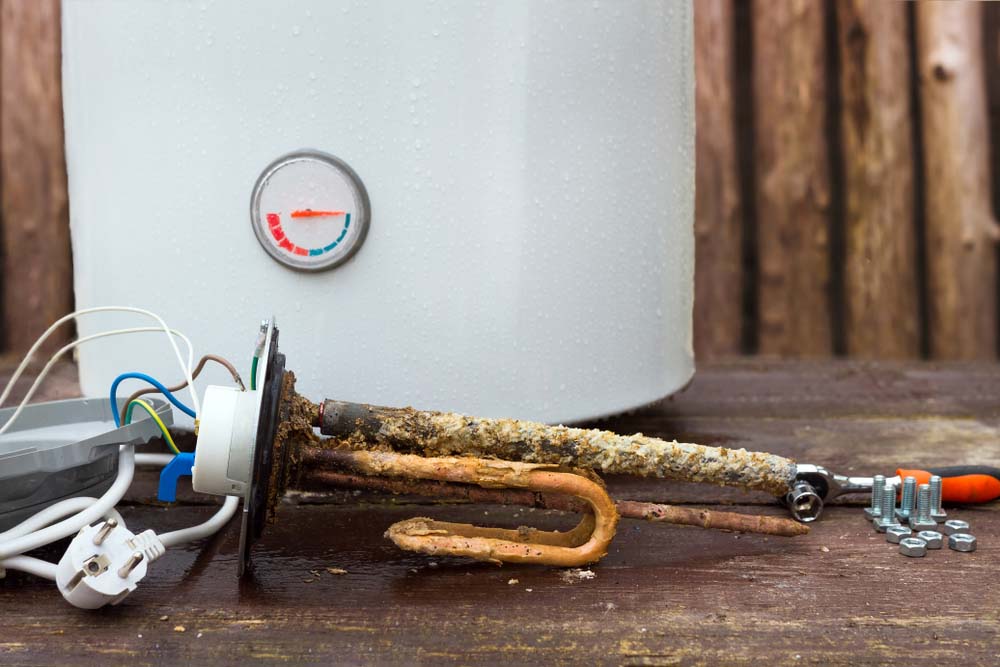
Replacing a water heater is a significant investment for any homeowner, and it’s essential to consider various factors to ensure you make the right decision. From choosing the right type of water heater to considering energy efficiency and installation requirements, several key factors can influence your replacement choice.
As your trusted partner for water heater repair in Columbia, MO, we’ll help you explore some essential considerations to keep in mind when replacing your water heater.
Type of Water Heater
The first step in replacing your water heater is determining the type that best suits your needs. Should you go with a traditional water heater, a tankless water heater, or a heat pump water heater? Each type has its pros and cons in terms of cost, efficiency, and performance, so it’s essential to weigh these factors carefully before making a decision.
Size and Capacity
When selecting a water heater replacement, it’s crucial to consider the size and capacity that will adequately meet your household’s hot water demands. Factors such as the number of occupants, usage patterns, and peak hot water usage times should all be taken into account. Choosing the right size water heater ensures you have an ample supply of hot water when you need it without wasting energy or resources.
Energy Efficiency
Energy-efficient water heaters can help lower utility bills and reduce your home’s environmental impact. Whether you’re looking for a traditional tanked or a tankless water heater, choose one with high Energy Factor (EF) ratings or ENERGY STAR certification, which indicates superior energy efficiency. Additionally, consider factors like insulation, recovery rate, and standby heat loss to maximize energy savings and minimize operating costs over time.
Installation Requirements
Before purchasing a new unit for your water heater installation, it’s essential to assess your home’s existing infrastructure and installation requirements. Consider factors such as fuel type (electric, gas, or propane), venting options, space availability, and plumbing connections. Consulting with a professional plumber can help ensure a smooth and successful installation process.
If you’re considering replacing your water heater, don’t hesitate to contact Brian Wear Plumbing for expert guidance and assistance. Our team is dedicated to providing reliable plumbing services and exceptional customer care. Talk to us today and let us help you find the perfect water heater solution for your home!


