

Your home’s water pressure is important for comfort, efficiency, and even safety, so it is important to test pressure correctly to do no harm to the plumbing system and yourself.
What is good water pressure?
For an average home water supply, your water pressure should fall within the range of 40-45 psi, and not exceed 60 psi. Pressures higher than this are excessively forceful and can damage your plumbing fixtures.
What is an easy way to check my water pressure?
A simple and inexpensive method includes using a ¾-inch garden hose thread pressure gauge, which can be found at a local hardware store. Attach this to your outside wall hydrant, or sill cock, and open the valve. This will give you a quick and accurate measurement of your current water pressure, since the sill cock is usually a dedicated valve off your main water line.
What if my pressure is too high?
If your reading is approaching 60 psi or greater, you will need to have an in-line pressure regulator installed. This handy device will reduce the water pressure in your home supply to a much more manageable level, usually in the 45-50 psi range. As time goes on, it can be adjusted to stay within proper pressure ranges.
What can happen if I don’t reduce my pressure?
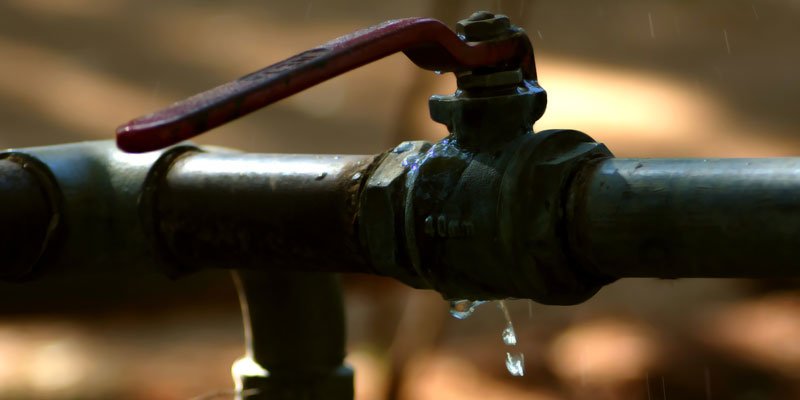
If your plumbing fixtures, like faucets, showers, and toilets, are continually subjected to high water pressure abuse, it can host many problems. First off, you may notice that your water lines sound like they are trying to break through your wall. This is known as the water hammer effect. Second, faucets and shower valves may leak more often because the inner components of the valves are not meant to handle and hold back this kind of pressure. Third, your toilet may run often because your fill valve inside the tank is constantly trying to hold out against the pressure, as the thin diaphragms can only hold out so long.
Show your fixtures some love, and get that pressure checked! You owe it to yourself to perform this basic maintenance, as it will add years to your plumbing and provide home maintenance peace of mind. To learn more about testing your home’s water pressure and other plumbing maintenance, please contact us.


