



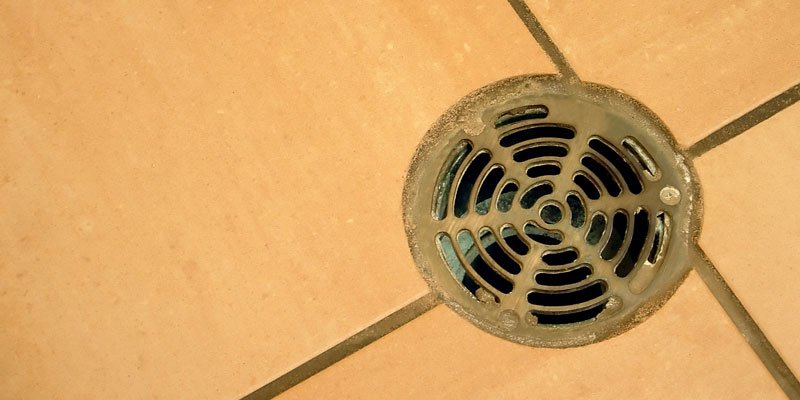
Prevent Hairy Clogs in Your Shower Drain

Palm Tree BG Accent-01
animated man in a green shirt with a speech bubble saying "Better Call Brian"

Drains channel water through your plumbing system and are very important components overall. Without them, water will go nowhere, standing in basins. While showering and bathing, hair follicles fall and can clog a drain. Nobody likes cleaning hair from a shower drain, so it might remain sitting there, picking up clumps of shampoo, conditioner, and soap, blocking up your drain even more. Eventually, it seems like your shower takes forever to drain. Here are two tips for avoiding the problem altogether:

  1. Brush your hair before you shower.ย Even if you’re not balding, people lose hair each day. If you have long, thick, or curly hair, they get stuck on your head instead of falling to the ground as you go about your day. Brushing out your hair before showering can collect loose follicles before they fall out into your shower basin as you clean your head. It’s much easier to clean your brush than to clean a drain.
  2. Use a drain cover.ย Most big box and home improvement stores sell catchers for bathroom, kitchen, and shower drains that have a fine metal or plastic mesh. Not only do these cover the drain and catch hair, but they can also prevent the traditional horror story of losing your wedding ring down the drain. With a drain cover, you can easily tip the cover over a trash can after showers, or even wipe it clean with a paper towel.

It’s always easier to prevent clogs than it is to fix them. Making sure as little hair as possible makes it into your shower drain is a great way to minimize clogs without having to think much about it. If you’ve found yourself in a hairy situation with a clog or wish to learn more on maintaining your plumbing and pipes, contact us today.

a flooded home with water waist high

Water Damage Assessment: How Professionals Evaluate Your Columbia Property

When water invades your home, the immediate visible damage is often just the tip of the iceberg. A burst pipe might leave a puddle on the floor, but where else did that water go? Did it seep behind the baseboards? Has it wicked up into the drywall? Is it pooling in the subfloor? These are questions that a quick glance cannot answer.
grey water under a washing machine

Clean Water vs. Gray Water vs. Black Water: Understanding Damage Categories – Restoration

When you discover water damage in your home, your first instinct is to clean it up as fast as possible. But not all water is the same. The source of the water intrusion determines its level of contamination, and this is the most critical factor in how you should approach the cleanup process. The restoration industry classifies water damage into three distinct categories: clean water, gray water, and black water.

Columbia’s Spring Storms: Protecting Your Plumbing from Flooding and Damage

Spring in Columbia brings welcome relief from winter cold, but it also ushers in a season of heavy rains and powerful storms. While blooming flowers and warmer days are a delight, the threat of torrential downpours poses a significant risk to your home's plumbing system. An unprepared home can quickly fall victim to basement flooding, sewage backups, and expensive water damage. The sheer volume of water from a spring storm can easily overwhelm your property's drainage and plumbing, leading to costly and stressful repairs.