


Incorporate Greener Plumbing in Your House Remode

Palm Tree BG Accent-01
animated man in a green shirt with a speech bubble saying "Better Call Brian"

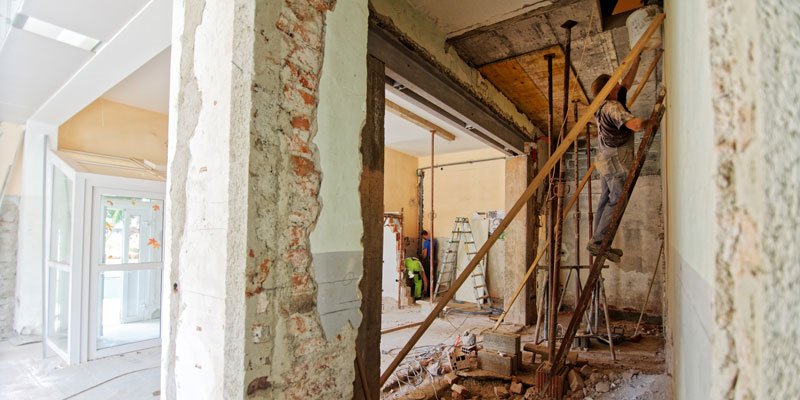
If you’re remodeling or have newly constructing areas of your house that use a lot of water, you have a perfect opportunity to consider some of the best energy- and water-efficient solutions available. Small changes to existing plumbing like adding low-flow heads to your showers and sink faucets can have a large impact on your water bill. In addition, here are some other solutions that you can also easily incorporate in mid construction while work is in progress and your home’s structure and base are more accessible. These can help save energy and money in the long run.

Switch to localized tankless water heaters.

Tankless water heaters are rapidly becoming more and more energy-efficient, especially compared to traditional tank models. If you have children or a large house with frequent guests, consider getting two water heaters, so everyone can get hot water when they need it. You can connect one to the kitchen and laundry appliances’ water lines, and use the other for your bathrooms and showers. This way, water heaters consume the most energy only when they are needed.

Put in underfloor heating. 

While you’re remodeling, your rooms may be ripped up, providing you easy access to floorboards or your house frame. Hydronic underfloor heating uses a system of pipes filled with water or anti-freeze to keep your floor warm. The enclosed loop heats up water and sends that water throughout your house, so floors and rooms stay warm with very little energy loss. Not only is the system safe and can help the air quality inside your house, these systems are considered to be one of the best ways to conserve energy when temperatures can still dip low at night.

No matter what changes you make to your plumbing, saving water also helps you save energy, which in turn saves money on your utility bills. Contact us for more ideas and details or to get started on your next plumbing project.

grey water under a washing machine

Clean Water vs. Gray Water vs. Black Water: Understanding Damage Categories – Restoration

When you discover water damage in your home, your first instinct is to clean it up as fast as possible. But not all water is the same. The source of the water intrusion determines its level of contamination, and this is the most critical factor in how you should approach the cleanup process. The restoration industry classifies water damage into three distinct categories: clean water, gray water, and black water.

Columbia’s Spring Storms: Protecting Your Plumbing from Flooding and Damage

Spring in Columbia brings welcome relief from winter cold, but it also ushers in a season of heavy rains and powerful storms. While blooming flowers and warmer days are a delight, the threat of torrential downpours poses a significant risk to your home's plumbing system. An unprepared home can quickly fall victim to basement flooding, sewage backups, and expensive water damage. The sheer volume of water from a spring storm can easily overwhelm your property's drainage and plumbing, leading to costly and stressful repairs.

How to Respond Quickly to Water Damage & Restore Your Home with Brian Wear Restoration

Discovering a puddle spreading across your floor or a dark stain appearing on your ceiling can be a heart-stopping moment for any homeowner. Whether it’s from a burst pipe, a faulty appliance, or a severe storm, water damage triggers immediate stress and a sense of helplessness. The clock starts ticking the moment water enters your home. Swift and decisive action is crucial not just for cleanup, but for preventing long-term problems like dangerous mold growth, rotted wood, and severe damage to your home’s structure.