



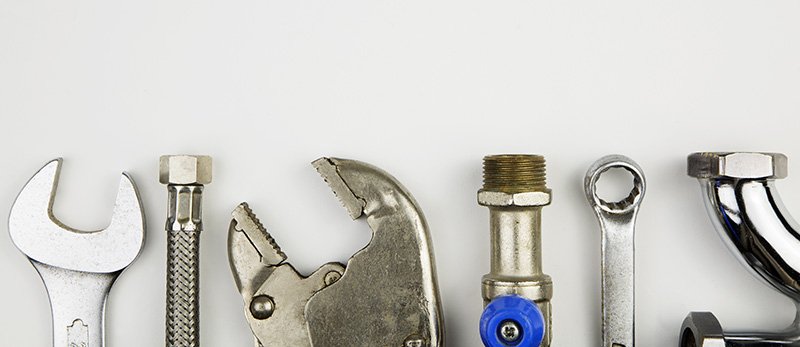
You don’t just have shoveling snow-laden driveways to look forward to this winter, even normal winter temperatures can wreak havoc on poorly prepared plumbing. At best, a frozen pipe can be terribly inconvenient, but at worst it can be an expensive and totally preventable mistake. Before the temperatures start to drop into the freezing range, there are a few simple steps you can check off your winter preparations in order to assure that your plumbing stays flowing all through the new year.
1. Fix Leaks
Even that drippy faucet can be a big problem if it gets cold enough. Think of leaking pipes, rocking toilets, damp cabinets, and dipping refrigerators as little warning signs for a major event, even before freezing temperatures. If it is a leak you aren’t sure you know how to fix yourself, don’t be afraid to bring in a plumber. Getting it done right the first time ends up saving a lot more money and headaches.
2. Insulate Pipes
If you have had problems with one particular pipe freezing in the past, it might be a good time to add a little extra insulation to it this winter. If you aren’t sure which pipes freeze, you will want to pay special attention to those exposed to the cold air. Not only will insulating your pipes save on potential damage, but it will also help cut down on your heating cost.
3. Protect Outside House Bibs
It is easy to forget about, but winter is the time to bring in those outside gardening hoses. Not only will the cold wear them down, but leaving hoses attached to the outside faucet can cause trapped water to freeze and damage your pipes. For those that live in colder temperature areas, you may even have special valves to shut of outside hose bibs, be sure to use them.
4. Locate Your Water Main
This step is really easy, and you really only have to do it once and then you know forever. Before winter comes, you want to know where your main water shut off is. If a pipe bursts, you can’t just let it run until help can come. You want to be able to shut off your water main as quickly as possible.
If you’ve run through this simple winter prep list in the Columbia, Missouri area and found that your plumbing has more than a few simple problems that you can’t fix yourself, contact Brian Wear Plumbing so we can save you from a major plumbing problem in the future.


