



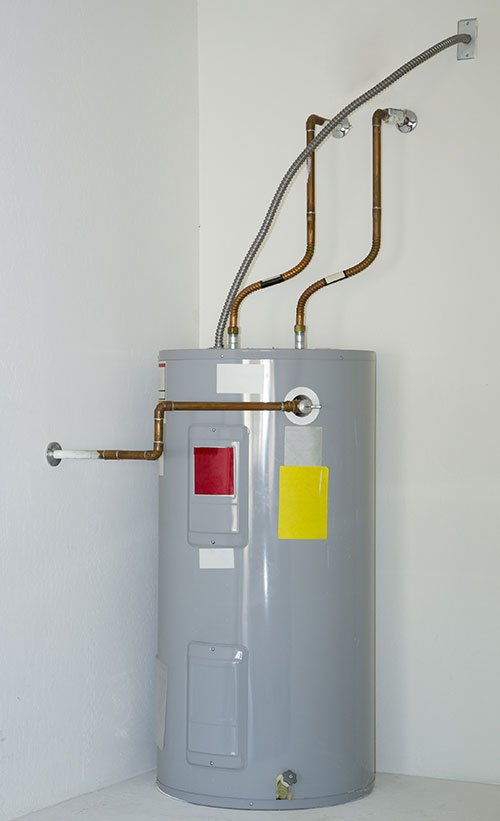
A water heater is one of the most important investments in your home. We all take for granted that warmth – in our dishwashers, washing machines, and showers – until the day it stops working. Any home appliance has a lifespan, and your water heater is no exception. Most water heater manufacturers provide an estimated lifespan of about 6 to 12 years.
Impacting Water Heater Lifespan
Here are a few factors that contribute to the lifespan of your water heater:
- The appliance. Not all water heaters are made equally. Generally speaking, more expensive units will last longer. You can, however, significantly improve the lifespan of a less expensive water heater with proper maintenance.
- Installation. A professional installation ensures that your new water heater will function as designed, reducing unnecessary wear and tear. A pro can also advise on the best water heater placement to minimize environmental wear and tear.
- Water quality and quantity. Water that has a high mineral content, or an acidic pH will shorten the lifespan of your water heater. A professional can help mitigate this issues. As a practical matter, heavy usage will shorten the life of your water heater. A pro can help you select the perfect water heater for your needs.
- Maintenance. A well maintained unit is a happy unit that will provide trouble-free hot water beyond the manufacturer’s guidelines.
Extending the Life of Your Water Heater
With regular maintenance, you can extend the lifespan of your water heater:
- Select the proper hot water heater for usage, have it professionally installed – including any necessary water treatments – and located appropriately in your home.
- Check the unit regularly – once a month is recommended – for exterior signs of wear and tear: rust, corrosion, standing water, etc. Drain about a gallon of water from the unit to remove sediment and gauge the water quality inside the tank.
- Replace the sacrificial anode at regular intervals. The sacrificial anode helps prevent rust and corrosion on the interior of your tank. If you notice a “rotten egg” smell when using hot water, it’s time to replace the sacrificial anode. Better yet, plan to replace it every year or two. Your installation professional can help determine the appropriate replacement interval for your water heater model.
It’s that simple! Follow these easy to follow maintenance steps for hassle-free hot water, and an investment in your home that will add value and enjoyment for years to come. Call us today to get started!


