


It is critical to consider everything that goes through your water pipes, as they impact plumbing maintenance and your water bill. One of the key things traveling through pipes that can cause decay is soap. If you are using average soap from the store, you may consider using biodegradable soaps instead.
Why Biodegradable Soap?
The biggest difference between biodegradable soap and standard soap for water pipes is the buildup of scum in the pipes. When soap scum continues to accumulate over time, your pipes will become clogged. This can cause your pipes to break and leak, causing extensive water damage within your home. You may even need to replace pipes in your home to prevent your water from becoming unconsumable due to the buildup and clogged pipes.
Where Can I Find Biodegradable Soap?
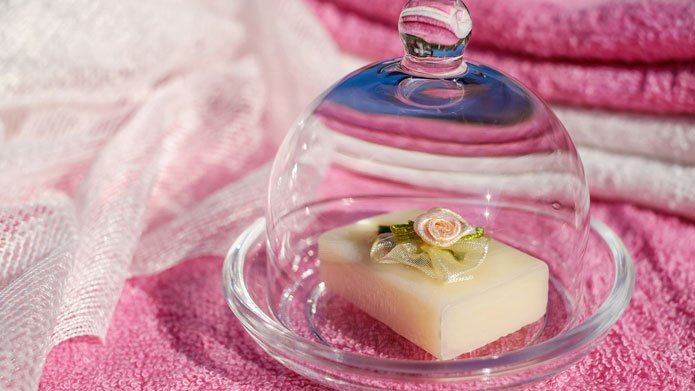
Some biodegradable soaps are found in stores or purchased through retailers. Most options are found with the camping gear, but there are also some that are homemade. The big positive factor of biodegradable soaps is their lack of phosphate and triclosan, both of which can be harmful and create scum in your pipes. Homemade soaps often do not often have these chemicals, and they break down easier when washed down the drain, leaving less scum.
Can Biodegradable Soap Help with Your Water Bill?
Since biodegradable soaps break down faster than the average soap, less water is required to wash and clear away soap buildup, allowing your home to conserve water and save on your utility bill. Also, less water flowing through your pipes can prolong their longevity, preventing water leaks from clogged pipes and conserving water.
What Are Environmental Benefits of Biodegradable Soaps?
When you use soaps and detergents full of phosphates, these chemicals make their way through your septic system and back through the water system. Eventually, this phosphate will make its way into large water sources and cause damage to aquatic life, and promote extensive algae growth, which is dangerous for the surrounding environment.
Contact Brian Wear Plumbing Today!
Do you suspect you have decaying pipes or soap scum buildup? Contact us today for more information on plumbing needs or for a thorough, professional inspection of your plumbing system.