


The water pressure regulator is one of the most critical plumbing valves in your home because it helps to decrease excessive water pressure. Unfortunately, it can break down if it suffers from various problems. Understanding this valve more fully and the issues that plague it can help you avoid issues and keep your home and inhabitants safe from pressure problems.
Water Pressure Regulator Location
While not all homes will have a water pressure regulator, many modern ones have them installed per safety guidelines. They are usually located just after the main shutoff valve on your main line. It won’t be explicitly labeled as a water pressure regulator, but it will look like a standard valve. In some instances and if you’re unsure, have a professional check it for you.
Symptoms of Regulator Failure
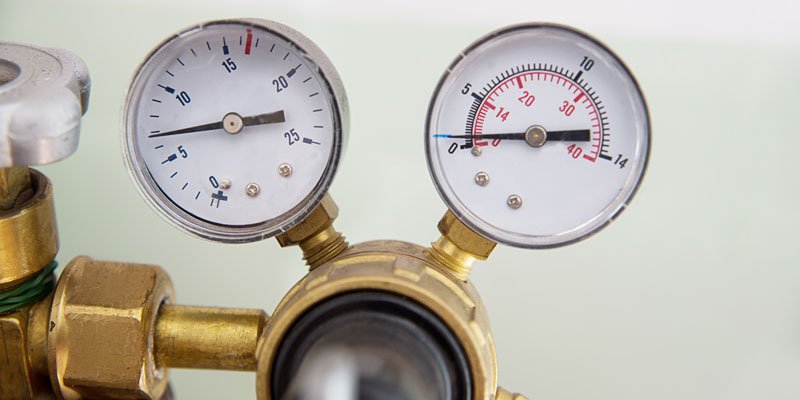
If you have a regulator and it fails, you’ll notice an immediate reaction in your home. For instance, you’ll experience irregular water pressure that is hard to control with your sink, toilet, or bathtub faucets. The pressure is likely too high or too low. Testing the pressure with a gauge attached to a sink can give you an idea of the severity of the problem. With regular testing, you can quickly discover if you need to replace the regulating valve.
Reasons for Valve Failure
There are several reasons that a pressure regulator goes bad. One common cause is age. As the regulator is severely tested over the years by pressure fluxuations, it can end up suffering from stress and decay. This natural aging process makes it necessary to replace it as soon as possible. However, it can also be affected by rust, excessive pressure, and the failure of various connector parts, such as nuts, bolts, and even washers.
If you are concerned about your pressure regulator, take precautionary steps to avoid snowballing problems. Don’t hesitate to contact us today. Our professionals can determine why your regulator is failing and find a resolution to minimize chances of failure in the future.


