


When was the last time you read your water meter? If the answer is greater than one month, you are not alone. Many homeowners and renters never take the time to read their water meters. Maybe you live in a city where someone from the water company comes out and reads the meter for you. Even if that is the case, you should take the time to check your meter occasionally. This will provide insight on how much water you are using, and also if there are any issues that need to be addressed. If you are still confused about reading your water meter, read on to better understand how to read your water meter.
What is a Water Meter
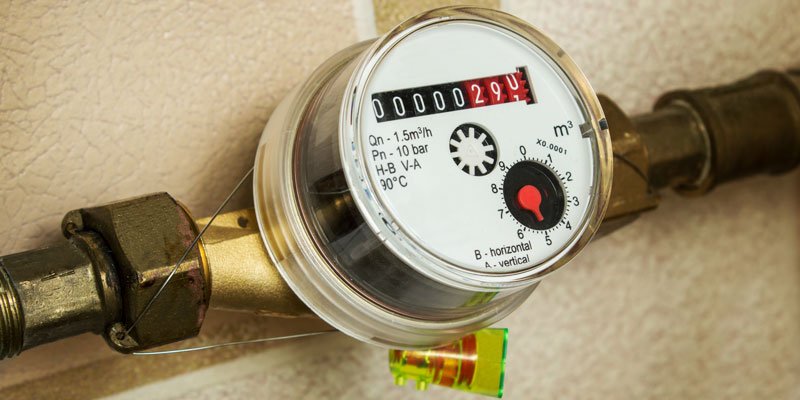
A water meter is an analog or digital device used to measure the amount of water used in your home. Typically, a water meter is located on your property close to the curb, or if you live in an apartment, it may be located on the side or back of the building. It is housed in a concrete box with a plastic or metal lid to shield it from the elements.
Reading Your Water Meter
Reading your water meter is easy to do. First, shut off all your faucets and the main water valve to your home. Then use a flat-head screwdriver to open the box. Once you have done this, read the numbers from left to right. This will tell you how much water that has recently been delivered to your home. If you know when your billing cycle begins and ends, consider keeping a monthly journal. The City of Columbia, for example, subtracts the previous month’s reading from the current month’s reading to determine your bill. By keeping that journal, you should be able to estimate how much your bill will be. Understanding Your Utility Bill.
Troubleshoot Problems by Reading Your Water Meter
Reading your water meter will also help you troubleshoot potential problems and discover them early one. If you suspect that you may have a leak, turn your water off after reading the meter, then go back and reread your meter in about 30 minutes. If the number has risen, it is safe to say that you have a leak. That is, you’re not getting as much water as what the meter says is delivered. Typically, a leak can come from a toilet that runs continuously, a leaky faucet, or even a loose water connection. Once you have determined the problem, you can take the necessary steps to fix it.
Reading your water meter may not be mandatory, but it is an important step towards keeping a healthy home plumbing system. If you have any difficulty reading your meter or you find that you have a leak, contact us for more information or for your next plumbing problems.


