



A garbage disposal is a welcomed addition to any kitchen, but they are pretty expensive. Whether you installed one yourself or it was already installed when you purchased your home, it’s the maintenance of your garbage disposal that is the most essential part so that you don’t have to spend the money to fix or replace it. One of the fundamentals of maintaining a garbage disposal is making sure you only put the right foods down your kitchen sink.
While your garbage disposal can handle many different foods, there are a few that you never want to put inside it.
Bones
While very small bones can actually work to clean your garbage disposal, the general rule is to never put bones down there. Those blades may be strong, but not strong enough to chop up bones. Mostly they will just end up clunking around in there, dinging everything up.
Celery
While small pieces of celery that you chopped up for soup will be fine, if you try to grind up that half rotted whole celery stalk you found in your refrigerator, it can cause some problems. Celery, as well as asparagus and corn husks, are very fibrous foods and all those strings can get tangled up among the blades.
Pasta
Foods like pasta and rice that expand in water will just keep on expanding even after cooked. When put them down your garbage disposal where they are subjected to a lot of water, they start to gum up your trap. A little bit is fine, but you need to be extra diligent to flush out your garbage disposal with these foods.
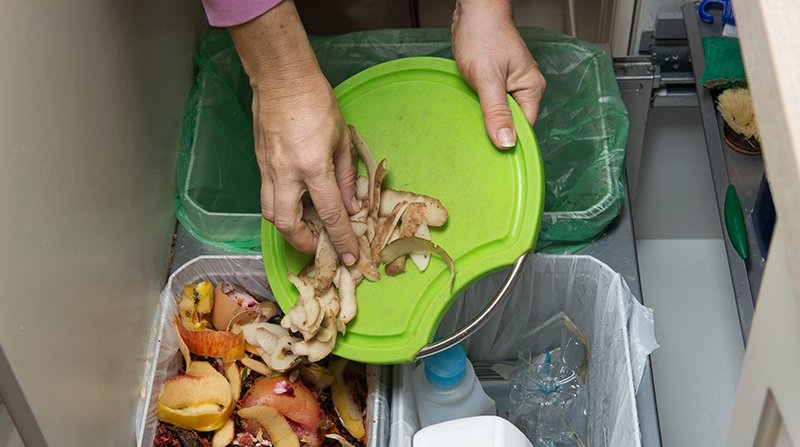
Potato Peels
Unlike pasta, potato peels create a mess that doesn’t go away easily. Potato peels are not only hard for your garbage disposal to chop up, but they are starchy. They will thicken the water and create a soupy mess. Worse yet, that starch doesn’t go away after just one run.
Grease
While grease and oil will run smoothly through your garbage disposal, it will build up in your pipes causing pretty severe blockages. Grease from foods is fine, but definitely don’t dump your frying oil down there, or you will pay for it later.
By not adding these foods to your garbage disposal, you can keep it running strong for a long time. However, not everyone knows that you can’t just put anything down there. When your garbage disposal suffers a bit of a meltdown, it is time to call in a professional. For those in the Columbia, Missouri area, contact Brian Wear Plumbing to keep a garbage disposal problem from turning into a catastrophe.


