



3 Signs Your Water Heater May Leak

Palm Tree BG Accent-01
animated man in a green shirt with a speech bubble saying "Better Call Brian"

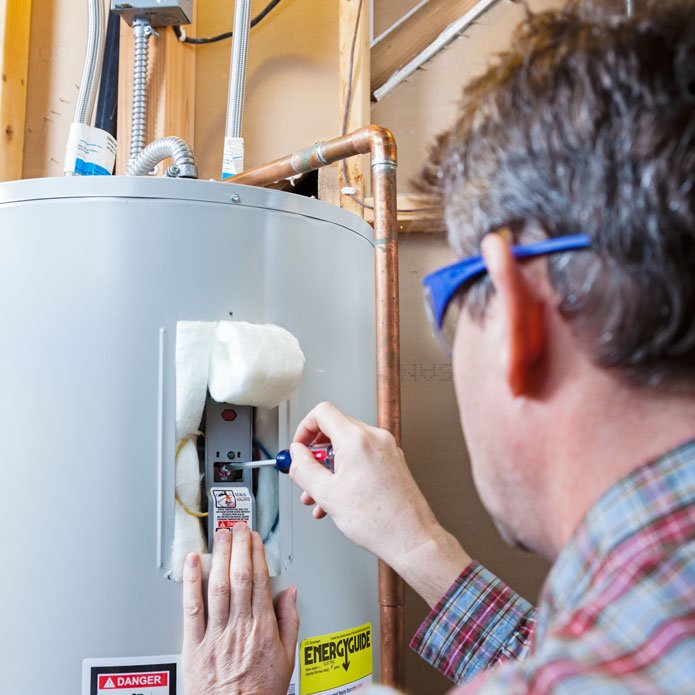
Water heater leaks are something all homeowners want to avoid. It can cause flooding and serious water damage in a home if it gets out of hand, which can be quite costly and time-consuming to repair and replace. Water heater leaks could happen due to the following reasons:

  1. A Loose Drain Valve: A loose drain valve can create a slow water heater leak. Fortunately, this can easily be resolved by simply tightening the drain valve with a wrench. You can usually tell that the water heater leak is due to a loose drain valve because there is a puddle of water right below the drain valve.
  2. There’s Too Much Pressure: Too much pressure in the water heater usually happens when the water heater is set at too high of a temperature. It’s important you are checking the water heater temperature regularly to ensure that it remains within reasonable temperatures. It should be set from anywhere between 120- and 140-degrees Fahrenheit. 
  3. The Tank is Old: Finally, the leak could just be a result of the water heater getting old. Eventually, corrosion and rust will take a toll on the tank. If you know that your water heater is over 10 years old and you notice a leak, it’s best to have it inspected by a professional plumber to determine whether or not replacement is warranted at this point. Waiting too long to do this could lead to a serious flood in the home.

To prevent future leaks, be sure to inspect the area around the water heater every so often. If you notice any water leaks and can’t pinpoint its cause, call in for a professional inspection right away. If you currently need professional assistance for your water heater, contact us today. We are here for you and all your home’s plumbing needs.

a flooded home with water waist high

Water Damage Assessment: How Professionals Evaluate Your Columbia Property

When water invades your home, the immediate visible damage is often just the tip of the iceberg. A burst pipe might leave a puddle on the floor, but where else did that water go? Did it seep behind the baseboards? Has it wicked up into the drywall? Is it pooling in the subfloor? These are questions that a quick glance cannot answer.
grey water under a washing machine

Clean Water vs. Gray Water vs. Black Water: Understanding Damage Categories – Restoration

When you discover water damage in your home, your first instinct is to clean it up as fast as possible. But not all water is the same. The source of the water intrusion determines its level of contamination, and this is the most critical factor in how you should approach the cleanup process. The restoration industry classifies water damage into three distinct categories: clean water, gray water, and black water.

Columbia’s Spring Storms: Protecting Your Plumbing from Flooding and Damage

Spring in Columbia brings welcome relief from winter cold, but it also ushers in a season of heavy rains and powerful storms. While blooming flowers and warmer days are a delight, the threat of torrential downpours poses a significant risk to your home's plumbing system. An unprepared home can quickly fall victim to basement flooding, sewage backups, and expensive water damage. The sheer volume of water from a spring storm can easily overwhelm your property's drainage and plumbing, leading to costly and stressful repairs.